
Quality Masonry Craftsmanship on Long Island
The Mason’s Mason — when Long Island masonry companies need it done right, they call JNH.
- Responsible
- On-Time
- On Site
- Experienced
Brickwork, stonework, pool masonry, retaining walls, and paver driveways & patios — built to last by JNH Masonry, proudly serving Long Island’s North & South Shore.
Excellence in every brick. Free estimates. Local & reliable.

Built right, by someone who stands behind the work
Licensed & insured
Proof available on request
Free estimates
On-site, from Jose
Local to Long Island
North & South Shore
Special pricing for military & first responders
Ask Jose
Years of hands-on experience
Brick, stone & pavers
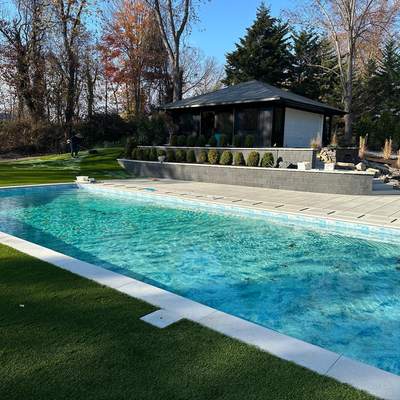
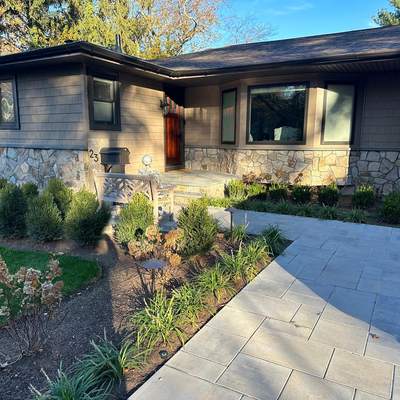
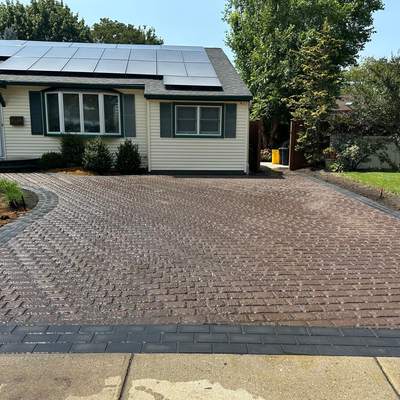
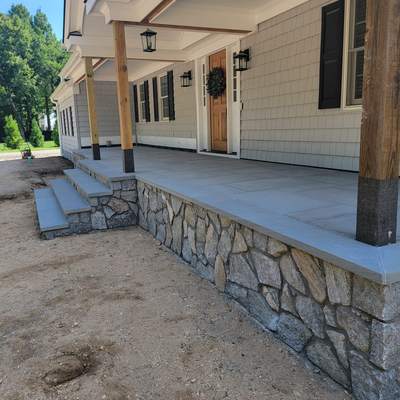
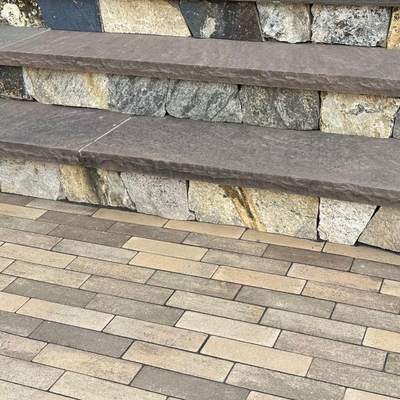
Trusted by the trade — other masonry companies hire JNH to do their jobs.
What we build
Four specialties, one standard: solid workmanship and clean finishing.
Brickwork & Stonework
Brick and stone installations, façades, and accents, finished with attention to detail.
- Brick, natural stone, veneer
- Marble, granite, bluestone, limestone, travertine
- Mortar & joints that shed water
Pools & Patios
Pool coping, decks, and patios in travertine, natural stone, brick, and pavers.
- Bullnose, square & rock-face coping
- Typical 1¼"–2" thickness
- Travertine, bluestone, porcelain
Retaining Walls
Erosion control and landscape walls for North Shore and South Shore properties.
- Segmental block, natural stone, poured concrete
- Gravel footing & drainage
- Geogrid for taller walls
Paver Driveways
Paver driveways and patios built for Long Island weather.
- Herringbone, basket-weave, running bond
- Pavers, stone, cobblestone
- Deeper base for driveways
Serving Long Island’s North Shore & South Shore
From the North Shore to the South Shore — based in Bay Shore.
Text Jose a photo of your projectTip: Book spring projects early — outdoor masonry schedules fill up when the weather warms.
The crew behind the crewsLong Island’s masonry companies bring in JNH for their toughest jobs.
Three simple steps
- 1
Request an estimate
Fill out the estimate form, call, text, or email Jose.
- 2
Mr. Hernandez visits and quotes
Mr. Hernandez meets with the homeowner, project manager, designer, or architect on site, look at the job, and give you a free estimate.
On-site visit or plan reviewHelpful to have ready:
- Photos of the area
- Rough measurements
- Plans or drawings, if any
- HOA or town permit questions
- 3
Work scheduled
Once you approve the quote, your project goes on the schedule. Mr. Hernandez walks you through materials, timing, and prep, and keep you updated until the job is done.
- Materials
- Site prep
- Build & clean-up
Project transformations
Before / After photos added as jobs finish. Tap a card to see that gallery.
Brickwork & Stonework
Before / After photos added as jobs finish
View gallery Coming soonPools & Patios
Before / After photos added as jobs finish
View gallery Coming soonRetaining Walls
Before / After photos added as jobs finish
View gallery Coming soonPaver Driveways
Before / After photos added as jobs finish
View galleryReviews
See what customers say about JNH Masonry on Google.
Planning your project: best practices
Nine things to think through before you build — so your patio, pool deck, wall, or driveway looks right and lasts through Long Island winters.
Step 1: Start with how you’ll use the space
Think about who uses it and how: everyday foot traffic, outdoor furniture and a grill, a pool deck that stays wet, or a driveway that carries cars and delivery trucks. How you use it drives the size, layout, base, and material.
TipMark the shape with a garden hose or marking paint and set your furniture inside it before deciding on size.
Step 2: Set a realistic budget range & priorities
Pick a range you’re comfortable with, then rank must-haves vs. nice-to-haves. A clear range helps Mr. Hernandez suggest materials and layouts that fit — and what could be added in a later phase.
TipPut your money first into what’s hardest to redo later: the base, drainage, and structure.
Step 3: Match the house style & existing materials
Pull colors from your roof, siding, trim, or existing brick. Traditional homes often pair well with brick, bluestone, or tumbled pavers; modern homes with large-format pavers, porcelain, or clean-cut stone. Repeating one or two materials ties the property together.
TipKeep a photo of the front of the house handy when you look at samples.
Step 4: Choose materials for Long Island freeze-thaw
Winters here bring repeated freezing and thawing, plus de-icing salt. Look for dense concrete pavers made for freeze-thaw, freeze-rated natural stone, and frost-resistant brick. Avoid soft or porous stone in splash and salt zones like pool coping, steps, and driveway aprons.
AskAsk whether a stone or paver is rated for freeze-thaw before you fall in love with it.
Step 5: Plan drainage & grading first
Water is the biggest enemy of masonry. Patios and walkways should pitch away from the house, downspouts should discharge away from the new work, and retaining walls need gravel backfill and drainage behind them.
TypicalA slope of about ¼″ per foot away from the house is common for patios and walks.
Step 6: Check permits, HOA, property lines & utilities
Rules vary by town and village. Ask your building department and HOA early, and know where your property lines and setbacks are — a survey helps. Taller walls (often around 4 ft and up) and work near property lines are the most likely to need a permit or engineering.
Before you digCall 811 — in New York that’s Dig Safely New York — so underground utilities get marked. It’s free.
Step 7: Think about edges, steps, lighting & add-ons
Plan borders and edge restraints, comfortable steps with even risers, and where lighting will go. It’s much easier to run empty conduit for low-voltage lights — or a gas line for a future fire pit or outdoor kitchen, installed by a licensed pro — before the pavers go down.
TipEven if you’re not adding lights or a fire pit now, a sleeve under the patio keeps the option open.
Step 8: Gather photos, rough measurements & inspiration
Take a wide shot and close-ups of the area, jot down rough length × width (and wall or step heights), and save a few pictures of styles you like — and ones you don’t. It makes the estimate faster and more accurate.
TipText the photos to (631) 965-1754 so Mr. Hernandez can see the space before the visit.
Step 9: Compare quotes apples-to-apples
Make sure every quote covers the same things: excavation and base depth, the exact materials and thickness, drainage, edge restraint, permits, and cleanup and debris removal. A lower number can mean something was left out.
TypicalCompacted gravel base is often about 4–6″ for patios and walks and about 8–12″ for driveways — it varies by soil and use.
Measurements shown are typical guidelines, not rules — every site is different. Mr. Hernandez will look at your property in person.
Ready to plan yours?
Text photos of the space to (631) 965-1754 — they help Mr. Hernandez understand your project before the free on-site estimate.
Questions, answered
Is the estimate really free?
Yes. JNH Masonry offers free on-site estimates. Mr. Hernandez comes out, looks at the job with you — whether you’re the homeowner, a project manager, a designer, or an architect — and talks through your options before giving you an estimate.
Want to get started faster? Text a few photos of the area to (631) 965-1754 so he can see the job before the visit.
Do you do small repairs?
Call or text (631) 965-1754 and describe what’s going on. Photos help Mr. Hernandez tell you quickly whether it’s a fit for JNH.
Things like loose or cracked steps, damaged brick or stone, or sunken pavers are all worth asking about — a wide shot plus a close-up of the problem area works best.
How soon can you start?
It depends on the size of the job, material availability, whether permits are needed, and the weather and season. Mr. Hernandez will talk through timing with you when he gives your estimate.
Tip: outdoor masonry schedules on Long Island tend to fill up in spring, so reach out early — even in winter — to plan ahead. Call or text (631) 965-1754.
What should I have ready for the estimate?
Nothing is required — Mr. Hernandez can work through it with you on site. But these make the visit faster and the estimate more accurate:
- Photos of the area (a wide shot and a few close-ups)
- Rough measurements — length × width, and heights for walls or steps
- Plans, drawings, or a property survey, if you have them
- Inspiration photos of styles and materials you like
- Any HOA or town requirements you already know about
- A budget range and your must-haves vs. nice-to-haves
Do I need a permit?
It depends on your town or village — rules vary across Long Island. In general, taller retaining walls (often around 4 ft and up), work near property lines, and changes to a driveway apron at the street are more likely to need a permit, and sometimes engineered plans.
Check with your town or village building department and your HOA, if you have one. Mr. Hernandez can talk it through with you during the estimate.
What areas do you serve?
JNH Masonry serves Long Island’s North Shore and South Shore, and is based at 1424 5th Ave, Bay Shore, NY 11706.
Not sure if we cover your town? Call or text (631) 965-1754 with your town or ZIP.
Do you work with designers, architects, and contractors?
Yes. Mr. Hernandez meets with homeowners, project managers, designers, and architects on site, and can review plans and drawings with you.
Other masonry companies hire JNH to do their jobs too — that’s why we’re known as The Mason’s Mason.
Can I send photos first?
Yes — text them to (631) 965-1754 or email jnhmasonry@gmail.com. Photos help Mr. Hernandez understand the job before the free estimate.
- A wide shot showing the whole area
- Close-ups of any damage or tricky spots
- Something for scale, like a tape measure
- Your town, and what you’d like built or fixed
What’s the best season for masonry on Long Island?
Most outdoor masonry is done from spring through fall. Mortar and concrete generally need temperatures above about 40°F — and protection from freezing while they cure — so winter work is limited and depends on the weather.
Winter is a smart time to plan: get your estimate, pick materials, and sort out permits so you’re ready when the season opens.
How do I care for pavers and stone?
A little care goes a long way:
- Sweep regularly and rinse off dirt and leaves
- Re-sand joints with polymeric sand when they wash out
- Seal per the manufacturer’s recommendations for your paver or stone
- Pull weeds early, before roots take hold in the joints
- Avoid rock salt on new concrete and natural stone — use sand or calcium magnesium acetate (CMA) instead
- Use a plastic shovel blade to avoid scratching the surface
Do you offer military or first responder pricing?
Yes. JNH offers special pricing for active duty military, veterans, and first responders. Just mention it when you call or text, or ask Mr. Hernandez during your free estimate.
Are you licensed and insured?
Yes. JNH Masonry is licensed and insured, and proof is available on request. Responsible, on-time, on site, and experienced — call or text (631) 965-1754 with any questions.
Let’s start your project
Free on-site estimates from Jose. Call, text, or send the form — whichever is easiest for you.